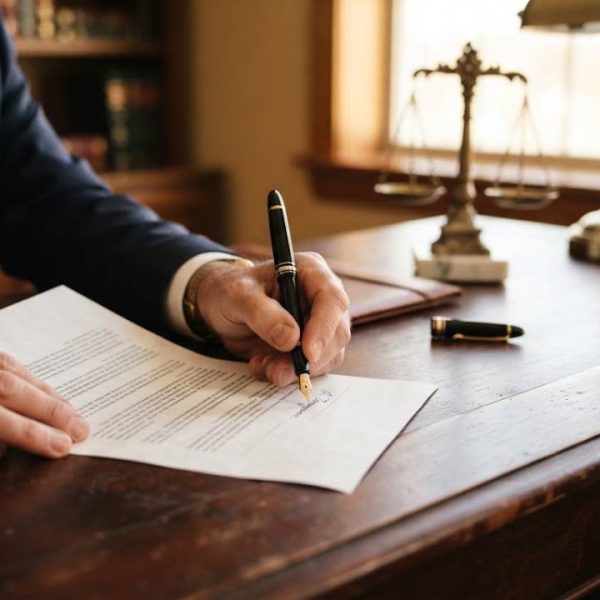
Most people sign contracts without reading every line. A phone plan, a gym membership, an online purchase or a rental agreement all come with terms that few customers study. Yet those terms decide what happens when something goes wrong, so a basic understanding of your rights can save real money and stress.
What a Consumer Contract Really Is
A contract is a promise that the law will enforce. In a consumer setting, one side is a business and the other is an individual buying goods or services for personal use. The business usually writes the terms, and the customer accepts them by signing, clicking or simply paying.
Because businesses hold more power in this relationship, many countries add protections. Consumer law exists to balance the deal, so that small print cannot take away rights the law already gives you.
Rights You Often Have
Rules differ by country, yet a few themes appear almost everywhere. You can expect goods to match their description and work as advertised. You usually have a right to a refund or repair when a product is faulty, and a short cooling off period often applies to online and doorstep sales.
Unfair terms can also be challenged. A clause that lets a company change the price at will, or that blocks you from complaining at all, may not be valid even if you signed it.
How to Read a Contract Quickly
Start with the parts that cost you money: price, payment dates, renewal terms and penalties. Then look for the length of the commitment and how to cancel. Many disputes begin with automatic renewals that customers forgot about.
Check who is responsible for delivery, repairs and returns. Note the address and contact details of the business, and keep a copy of the signed version or a screenshot of the online terms on the day you accepted them.
When Language Becomes a Problem
Contracts become much harder when the text is in a language you do not fully read. Expats, students and migrant workers often sign rental or employment documents in a second language, and misunderstandings follow.
If you need to understand a legal paper from another country, a professional translator is a safer choice than a quick online tool. People dealing with Turkish agreements, for instance, often rely on Turkish legal translation services so that every clause, date and obligation is rendered precisely.
Why Legal Translation Needs Special Care
Legal vocabulary does not map neatly between systems. A term that exists in one country may have no direct match in another, and a literal translation can mislead. Good translators know the difference between translating a word and conveying a legal effect.
This list of tips for legal translations explains what to check before you accept a translated contract, including terminology, formatting and certification.
Where to Get Reliable Help
If you believe a company has treated you unfairly, official consumer agencies are a good first stop. In the United States, the Federal Trade Commission consumer information site explains common scams, refund rights and how to file a complaint. Other countries run similar bodies.
Local advice centers and legal aid clinics also help people with limited budgets. Many offer free first consultations and can explain which steps make sense.
Steps When Something Goes Wrong
Gather evidence first: receipts, emails, photos and the contract itself. Write to the business clearly, explain the problem and state the result you expect, such as a refund or repair. Keep the tone calm and factual, and set a reasonable deadline for a reply.
If the business does not respond, escalate to an ombudsman, a consumer agency or small claims court. Many cases are settled quickly once the company sees that you know your rights.
Online Shopping and Digital Services
Online contracts need extra attention. Terms and conditions pop up as long scrolling boxes, and subscriptions often start with a free trial that converts to a paid plan. Set a reminder before the trial ends and read the cancellation process in advance.
Before you buy from a foreign seller, check where it is based, which law applies and how returns are handled. Cross-border disputes are harder to settle, so a trusted payment method with buyer protection is a smart choice.
A Short Checklist
Read the price, the term and the cancellation rules. Keep a copy of everything. Ask for translations of anything you do not fully understand. Never feel pressured to sign on the spot, and use official channels if a dispute begins.
Knowing your rights does not make you difficult. It makes you a well informed customer, and honest businesses welcome that.
Common Myths About Contracts
Many people believe that a contract is only valid if it is on paper, but verbal and online agreements can also bind both sides. Another myth says that you cannot cancel anything once you sign, yet cooling off rules and unfair term protections often say otherwise.
A third myth is that small print is always enforceable. Courts can set aside terms that are hidden, confusing or heavily one sided, especially in consumer deals.